
Quick answer
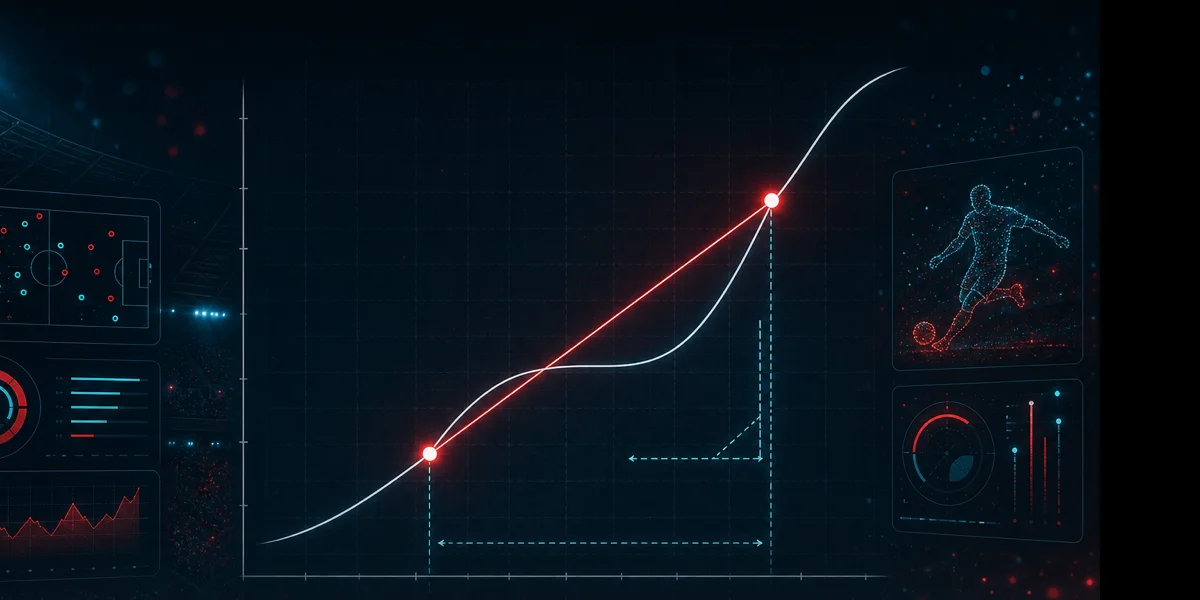
Phase shift moves a graph horizontally at fixed B. Frequency shift changes B or f, which changes period and how fast the wave repeats.
Introduction
Students mix these terms when both appear in word problems about waves. Ask which parameter changed: C or B (or f in applications).
Formula comparison tables help in timed tests because they force you to separate horizontal slide from stretch.
Refresh phase shift formulas before comparing, because you need C/B rules automatic before frequency language makes sense.
Use the Phase Shift Calculator on our homepage only after B is fixed if you want a pure phase readout.
Key differences in behavior
Phase shift preserves period. The wave keeps the same width but starts at a different x or t value.
Frequency shift changes how many cycles fit in an interval. On a graph, that looks like horizontal compression or stretching.
Practical applications: speaker alignment adjusts phase; tuning a instrument string changes frequency.
Signal processing applications show why receivers track frequency separately from phase correction loops.
Side-by-side formulas
Changing C alone slides the graph. Changing B alone changes period and frequency.
Graph interpretation: slide vs stretch is visible in one sketch if you change only one parameter at a time.
Word problems: underline whether the text mentions timing offset or pitch change.
Decision checklist
- Underline verbs. Words like align, lag, or lead suggest phase.
- Check B or f. If B changed, address frequency first.
- Compute period. 2π/B confirms frequency effects.
- Compute C/B. Only meaningful at fixed B.
- Sketch both cases. One parameter at a time reduces confusion.
- Verify. Use the Phase Shift Calculator on fixed-B examples.
Comparison pair
sin(x) vs sin(x - 1): phase change with period 2π unchanged.
sin(x) vs sin(2x): frequency change with period halved to π.
Mixing both changes in one equation requires reporting two transformations explicitly.